


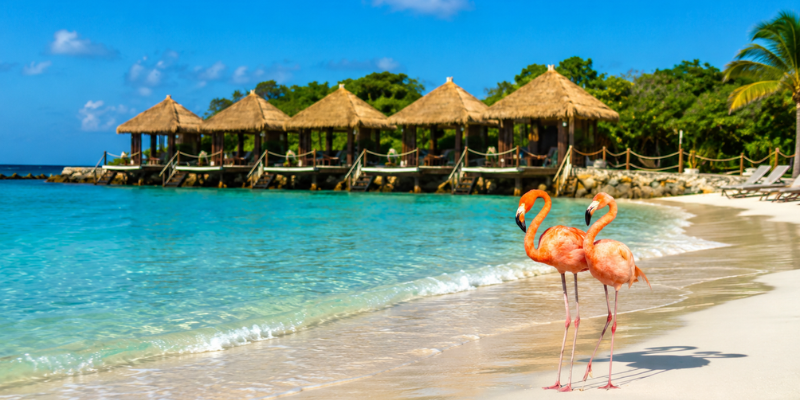
Aruba is renowned for its sunny climate, pristine white beaches, and crystal-clear blue sea. Additionally, the island is located outside the hurricane belt, allowing you to enjoy pleasant temperatures and plenty of sunshine almost all year round. The constant trade winds make the warmth surprisingly comfortable. The crystal-clear water completes the picture, allowing you to see the seabed several meters deep in many places.
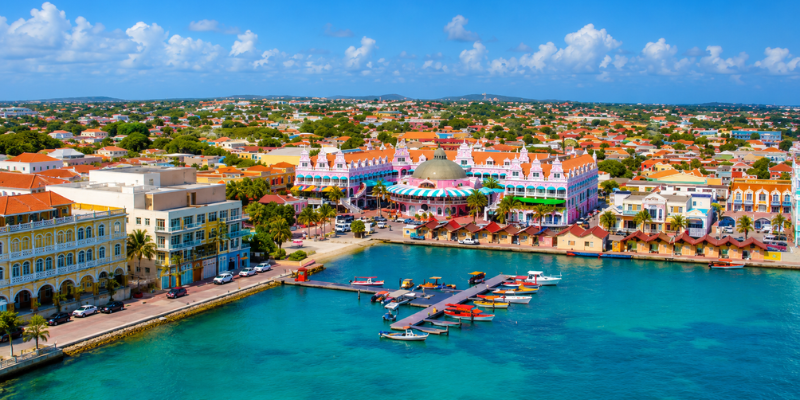
However, Aruba offers much more than just sun, sea, and sand. Scattered across the island, you’ll find numerous unique attractions: from the colorful colonial architecture in Oranjestad and the iconic California Lighthouse to rugged rock formations, hidden bays, and the impressive Arikok National Park. In short, there’s more than enough to explore to fill a week or even longer.
In a nutshell: what to do in Aruba?
- 🏛️Explore Oranjestad and discover the colorful facades, the local market, and Fort Zoutman.
- 🌊 Visit the Natural Pool in Arikok National Park, a natural swimming pool among the rocks.
- 🤿 Snorkel at the Antilla, the largest shipwreck in the Caribbean.
- 🚲 Discover Aruba by bike and experience the island’s most beautiful attractions.
- 🌅 Watch the sunset at the iconic California Lighthouse.
- 🦩 Spot flamingos on the paradisiacal Renaissance Island.
- 🍽️ Taste the local cuisine in San Nicolas and get to know the flavors of Aruba.
Why Aruba is so special.
Aruba may be small, but don’t be fooled by its size. The island is only 30 kilometers long and 9 kilometers wide, yet there’s surprisingly much to discover. Additionally, Aruba is an autonomous country within the Kingdom of the Netherlands, so you’ll often encounter Dutch place names and influences on the streets. Besides Papiamento, most locals speak fluent Dutch, English, and Spanish.
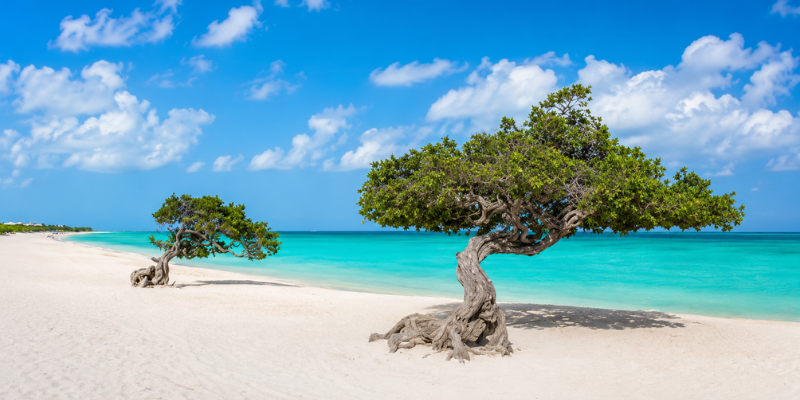
Moreover, Aruba enjoys a warm and sunny climate year-round. Temperatures usually range between 28 and 32 degrees Celsius, while the constant trade winds provide a pleasant cooling effect. As a result, even on the hottest days, it feels comfortable. The characteristic divi-divi trees, which all grow in the same direction due to the wind, have become one of the island’s most famous symbols.
The culture also makes Aruba special. The population consists of more than 90 different nationalities, which is reflected in the cuisine, music, and welcoming atmosphere. This mix of cultures gives the island its unique character. As a result, Aruba feels not only relaxed and safe but also surprisingly diverse.
Aruba attractions: places you shouldn’t miss
Whether you’re in Aruba for just one day or have a whole week to explore, the island offers a surprising amount of variety. From colorful cities and historic forts to rugged nature parks and idyllic beaches: the following attractions should not be missed during your visit.
| Attraction | Why visit? |
|---|---|
| Oranjestad | Stroll along the colorful facades, discover Fort Zoutman, and visit the historic Willem III Tower. Additionally, you’ll find cozy terraces, boutiques, and local markets here. |
| California Lighthouse | Climb the iconic lighthouse and enjoy panoramic views over the northwest coast. Especially at sunset, this is one of the most beautiful spots in Aruba. |
| Arikok National Park | Explore Aruba’s largest nature reserve with cactus fields, caves, and the famous Natural Pool (Conchi). Along the way, you’ll also encounter impressive rock formations and native wildlife. |
| San Nicolas | Discover the colorful street art, cozy cafés, and local culture. This way, you experience a completely different side of Aruba than the tourist resorts. |
| Eagle Beach | Relax on one of the most beautiful beaches in the world. With its white sand, calm sea, and iconic divi-divi trees, this is a perfect place to unwind. |
Explore Aruba by bike with Baja Bikes
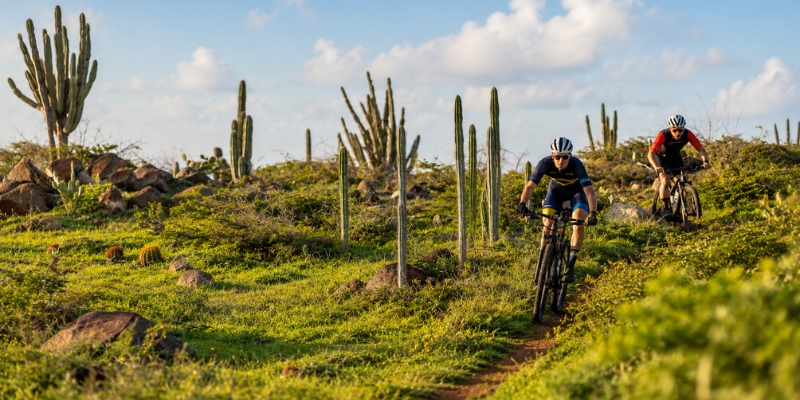
Want to experience Aruba in a completely different way? Hop on a mountain bike and explore with a private guide the rugged side of the island. During this active bike tour, you’ll explore impressive coastlines, expansive cactus fields, and hidden spots often missed by car. Plus, you’ll enjoy spectacular views of the Caribbean Sea along the way.
Additionally, your local guide shares interesting stories about Aruba’s history, nature, and culture. This way, you not only discover the most famous attractions but also get to know a completely different side of the island. Thanks to the personal guidance, you can enjoy the surroundings at your own pace.
The tour is conducted on a comfortable mountain bike and is ideal for travelers who want to discover Aruba in an active way. So don’t forget to bring enough water, apply sunscreen, and wear light clothing. This way, you’ll be well-prepared for an unforgettable journey through Aruba’s diverse landscape.
Food and drink in Aruba: the best restaurants and local specialties
Aruba is not only famous for its stunning beaches but also for its diverse cuisine. With a blend of Caribbean, South American, and Dutch influences, you’ll experience a surprising variety of flavors. Below are some dishes and restaurants you shouldn’t miss.
| Specialty or restaurant | Why try it? |
|---|---|
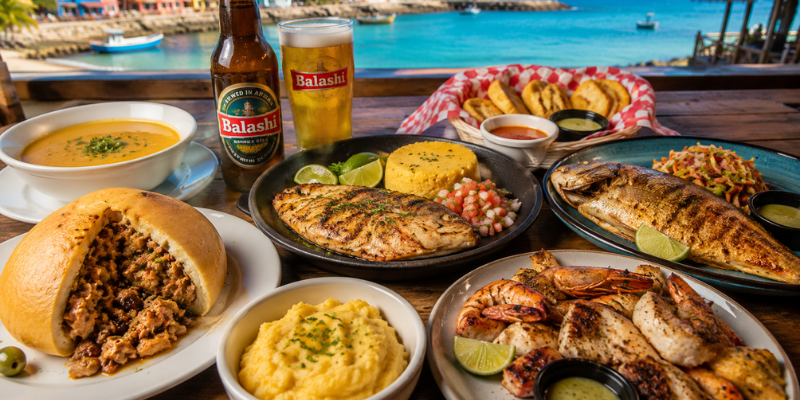
| 🧀 Keshi Yena | The national dish of Aruba. A large, stuffed cheese with spiced meat, raisins, and olives, slowly cooked to perfection. |
| 🥣 Sopi di Pampuna | A creamy pumpkin soup that you’ll find on many local menus. |
| 🐟 Fresh fish & Funchi | Try mahi mahi, snapper, or barracuda, often served with funchi, a traditional cornmeal specialty. |
| 🍤 Zeerovers (Savaneta) | A true local favorite. Choose your fresh fish or shrimp, which are then prepared right by the water. |
| 🍽️ Wilhelmina Restaurant (Oranjestad) | Ideal for an atmospheric dinner with modern Caribbean dishes and local ingredients. |
| 🌅 Eagle Beach | Enjoy a dinner with a sea view. Especially during sunset, this is one of the most beautiful spots in Aruba. |
| 🍺 Balashi Beer | End your meal with Aruba’s most famous beer, brewed on the island since 1998. |
💡 Insider tip: Always ask for the daily special at a local restaurant. This way, you often get the freshest seasonal ingredients and it’s usually more affordable than ordering from the menu.
Best time to visit Aruba
Aruba is a delightful destination year-round. However, each period has its own character. Some months are slightly drier, quieter, or more popular with tourists. The overview below gives you a quick glance at what to expect each season.
| Month | Temperature | Rainfall | Crowds | Tip |
|---|---|---|---|---|
| January – March | 27–30°C | Low | High (peak season) | Book early, prices are higher |
| April – May | 28–31°C | Low | Average | Great balance: quiet and sunny |
| June – August | 29–32°C | Minimal | Low | Warm, quiet, and affordable |
| September – October | 28–31°C | Slightly more | Low | Cheapest period |
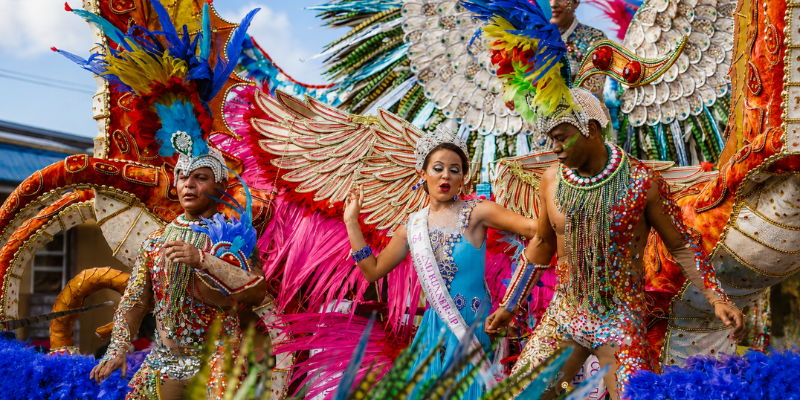
| November – December | 27–30°C | Low | Rising | Holidays, Dera Gai carnival approaching |
My personal preference is April or May. It’s quiet, the sun is shining, and you pay less than in January. The beaches are also less crowded.
Plan your visit to Aruba
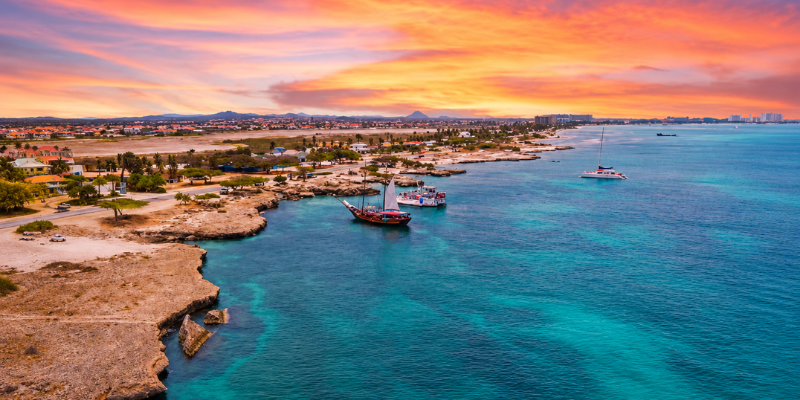
Aruba is a destination perfect for a varied vacation. One day you can explore the colorful streets of Oranjestad, while the next you relax on one of the beautiful beaches or discover the rugged nature of Arikok National Park. Moreover, the distances on the island are relatively short, allowing you to easily combine multiple attractions in one day.
For the main attractions in Aruba, it’s best to allocate three to four days. If you also want to visit the national park, San Nicolas, the most beautiful beaches, and hidden bays, plan for about a week. This way, you have enough time to explore the island at a relaxed pace.
Whether you’re coming for nature, culture, or the Caribbean vibe, Aruba offers something for every traveler. Plan your route in advance, combine the most famous highlights with a few lesser-known spots, and above all, enjoy the laid-back island life. This way, you get the most out of your stay in Aruba.
Frequently asked questions about Aruba attractions
What are the most famous attractions in Aruba?
Fort Zoutman and the Willem III Tower in Oranjestad, the California Lighthouse, Arikok National Park with the Natural Pool, Eagle Beach, and the street art in San Nicolas are the places most visitors want to see.
How long do you need to see Aruba?
To get a good overview of the highlights, you need three to four days. To thoroughly explore the island, including the national park and quieter bays, a week is more comfortable.
Is Aruba an expensive destination?
Aruba is not a cheap destination. Hotels on Eagle Beach and Palm Beach quickly cost between 150 and 300 euros per night. Eating in local restaurants is affordable: a meal at Wilhelmina Restaurant costs between 10 and 20 dollars. Flights from Amsterdam take about ten hours.
What is the best way to explore Aruba?
A combination of bike, scooter, and jeep works well. The coast and Oranjestad are easily accessible by bike. For Arikok National Park and the northern tip, you’ll need a 4×4 due to the unpaved roads.
Can you bike in Aruba with Baja Bikes?
Yes. Baja Bikes organizes bike tours in Aruba in small groups of up to twelve people, guided by a local guide. E-bikes are available for an additional fee. Book via www.bajabikes.eu.