


Kigali is a city full of surprises. At the heart of Rwanda lies a capital known for its clean streets, green hills, and safe atmosphere. The attractions in Kigali tell the story of a nation that has rebuilt itself and looks confidently to the future. At the same time, it is a modern African city where culture, entrepreneurship, and sustainability converge.

What makes Kigali special is its sense of order. The city is spaciously laid out, well-organized, and exudes tranquility—something many travelers might not immediately expect from an African capital.
Top things to do in Kigali
-
Explore Kigali by bike with Baja Bikes and discover the city with a local guide
-
Visit the Kigali Genocide Memorial and learn more about Rwanda’s poignant history
-
Wander through the Kimironko Market among tropical fruits, fabrics, and handmade souvenirs
-
Step back in time at the Presidential Palace Museum
-
Taste Rwandan coffee in a local café – Rwanda is one of the world’s top coffee countries
-
Enjoy views over Kigali’s hills, also known as the city of a thousand hills
-
Experience how sustainable Kigali is, one of Africa’s cleanest cities
1. Impressive highlights
One of the most impressive attractions in Kigali is the Kigali Genocide Memorial. This site plays a central role in understanding Rwanda’s recent history. With great care and respect, it tells the story of what happened in 1994 and how the country has since worked towards reconciliation and rebuilding. The memorial is not a tourist attraction but a place of reflection that leaves a profound impact.
A completely different atmosphere can be found at the Kimironko Market, where the daily life of Kigali becomes visible. The market bursts with color and energy. Stalls are filled with mangoes, avocados, spices, and handwoven baskets. Many products come directly from the countryside, making the market a lively meeting place for locals.

The Presidential Palace Museum is also worth a visit. This former presidential residence shows how politics, history, and personal stories intertwine. In the gardens surrounding the palace, it is evident how nature is slowly reclaiming the grounds—a symbolic detail often mentioned by guides.
2. Discover Kigali by bike with Baja Bikes
One of the best ways to explore the attractions in Kigali is by bike. The Kigali bike tour by Baja Bikes showcases various neighborhoods, highlights, and viewpoints in a short time. Since the city is built on hills, each climb offers a new panorama.
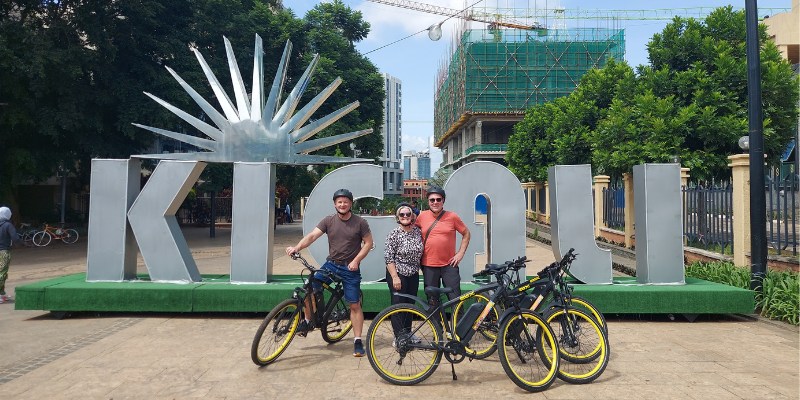
During the bike tour, the focus is not only on well-known spots but also on daily life in Kigali. Local guides share personal stories, cultural insights, and fun facts that you won’t find in any travel guide. Moreover, cycling allows for leisurely stops, questions, and truly observing the city.
Fun fact: Kigali is often cited as one of the safest cities in Africa, making cycling here even more relaxing!
3. Culture, traditions, and daily life
The culture of Kigali revolves strongly around community and collaboration. A good example of this is Umuganda, a monthly community day where residents clean or maintain their neighborhood together. This tradition directly contributes to the city’s notably clean streetscape.
Music, dance, and art also play an important role. Traditional Intore dances are regularly performed during cultural events, while local art galleries showcase work inspired by Rwanda’s nature and history. Throughout the city, there is a sense of pride and progress.
4. Local tips: where to eat, drink, and go out in Kigali
Kigali also surprises on the culinary front. The city has a growing food scene with a mix of local cuisine and international influences. For traditional Rwandan dishes, places like Heaven Restaurant and Poivre Noir are popular, where you can taste local ingredients in a modern setting. Dishes with grilled meat, beans, bananas, and fresh vegetables are central here.
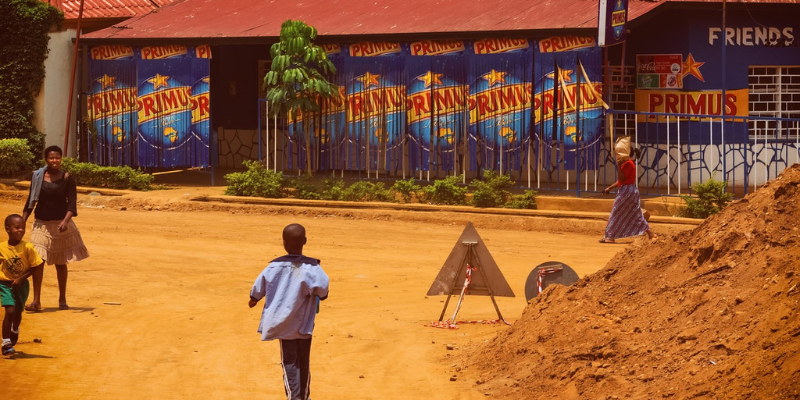
For a more local experience, dining in Nyamirambo is recommended, especially around Biryogo Food Street, where street food is affordable and flavorful. Also, Kimironko Market has simple eateries where locals have lunch.
Coffee lovers should not miss a visit to Question Coffee Café or Bourbon Coffee. Rwanda is globally renowned for its high-quality coffee beans, and in Kigali, you can taste that quality at its best.
For an evening drink, Kigali Heights, Pili Pili, and Sundowner at Hotel des Mille Collines are beloved spots. Here you can enjoy a cocktail or local beer with views over the city, often as the sun slowly sets behind the hills.
5. Additional highlights in Kigali you really shouldn’t miss!
Besides the well-known attractions, Kigali boasts several spots that perfectly showcase how modern, vibrant, and diverse the city is.
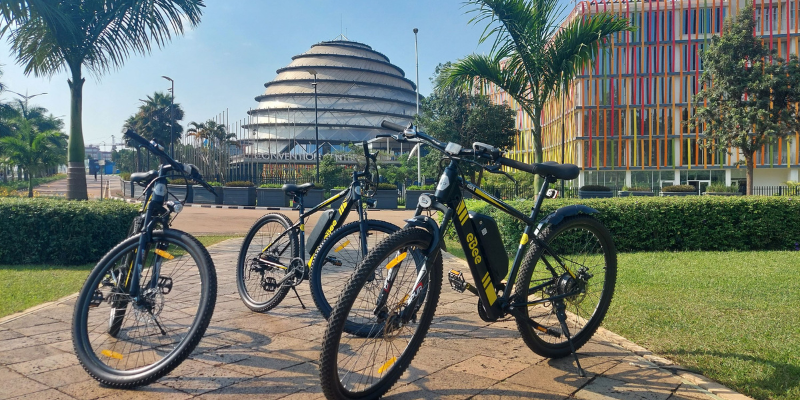
The Kigali Convention Centre is one of the city’s most striking buildings. Especially in the evening, when the round dome is illuminated in various colors, it becomes a real eye-catcher. The building symbolizes Kigali’s international ambitions and is located in a district with excellent hotels, restaurants, and bars. Many travelers combine a visit here with dinner or a drink nearby.
Discover a completely different side of the city in Nyamirambo, one of Kigali’s oldest and most lively neighborhoods. This area is known for its multicultural vibe, street life, and music. Here, you experience daily life as it truly is, far from conference centers and embassies. Nyamirambo is also a favorite stop during bike tours, precisely because it offers such an authentic view of the city.
For street food lovers, Biryogo Food Street is an absolute must. In the evening, this street comes alive with stalls preparing local dishes. Think grilled meats, chapati, samosas, and fragrant stews. It’s an accessible and enjoyable way to get acquainted with Rwandan cuisine.
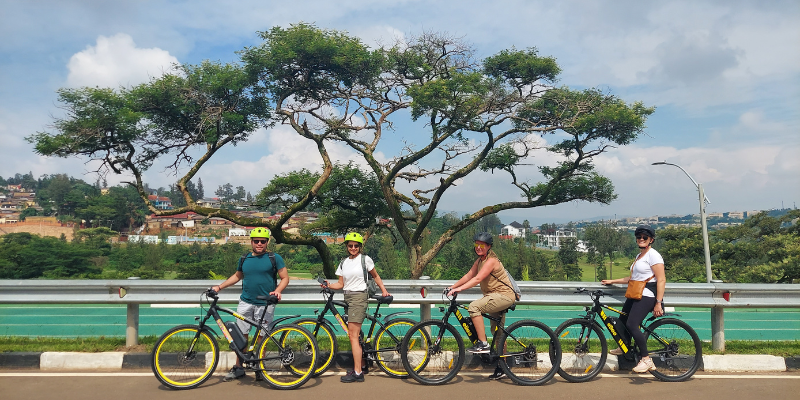
If you’re looking to escape the city for a bit, head to the Kigali golf course and athletics track. This green zone is used by locals for sports, walking, or simply relaxing. It highlights the importance of an active and healthy lifestyle in the city’s daily life.
A lesser-known but impressive spot is the Belgian Peacekeepers Memorial. This monument commemorates the Belgian UN soldiers who lost their lives during the genocide. It’s a quiet and sober place that provides additional context to Rwanda’s history and is often visited in combination with other historical sites.
Finally, Kigali’s city center also deserves attention. In the heart of the city, you’ll find modern office buildings, cafes, shops, and markets. The center showcases how rapidly Kigali is developing and forms an interesting contrast with traditional neighborhoods and historical sites.
Frequently asked questions about Kigali
What are the main attractions in Kigali?
The main attractions in Kigali include the Kigali Genocide Memorial, Kimironko Market, the Presidential Palace Museum, and various viewpoints over the city. A bike tour is also a popular way to combine multiple highlights.
Is Kigali safe for tourists?
Kigali is known as one of the safest cities in Africa. The city is well-organized, and tourists generally feel very comfortable here, even during bike tours and visits to local neighborhoods.
What is the best time to visit Kigali?
The best time to visit Kigali is during the dry seasons, from June to September and from December to February. During these periods, the weather conditions are ideal for outdoor activities.
Can you explore Kigali well by bike?
Yes, Kigali is surprisingly suitable for exploring by bike. The roads are well-maintained, and drivers are accustomed to cyclists. With a local guide, biking is safe and relaxing.
How many days do you need for Kigali?
Two to three days are sufficient to discover the main attractions of Kigali. Those who prefer a more leisurely pace or want to see more can also stay longer.
Is Kigali suitable for a first trip to Africa?
Yes, Kigali is very suitable for travelers visiting Africa for the first time. The city is clean, safe, and easy to navigate, while also offering a lot of cultural depth.