


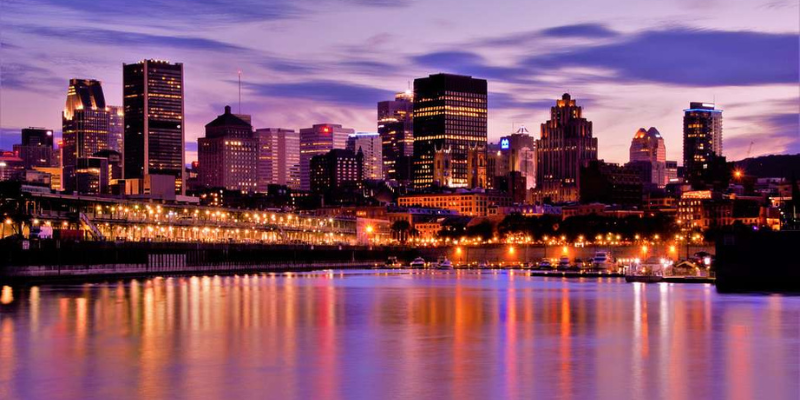
The attractions in Montreal leave an immediate impression. While French and English mingle on the terraces, the aroma of fresh bagels fills the streets, and a jazz musician plays on a street corner of Rue Saint-Catherine. This gives Montreal a distinct feel compared to many other North American cities. Moreover, the city combines a rich French-Canadian history with a vibrant arts, culture, and food scene.
Whether you’re strolling through the charming cobblestone streets of Vieux-Montréal, climbing up to Mont Royal, or ordering a famous smoked meat sandwich at Schwartz’s, there’s always something new to discover. Additionally, Montreal invites you to explore the city at a leisurely pace. This way, you not only take the time to admire the most beautiful Montreal attractions but also fully enjoy the unique atmosphere that makes the city so special.
At a glance: what to do in Montreal?
- Stroll through the historic streets of Vieux-Montréal
- Climb Mont Royal for a panoramic view of the city
- Cycle along the Lachine Canal and the green banks of the Saint Lawrence River
- Taste the famous smoked meat sandwich at Schwartz’s Deli
- Admire the impressive Basilique Notre-Dame de Montréal
- Explore the creative neighborhoods of Le Plateau-Mont-Royal and Mile End
- Visit the lively Jean-Talon Market
- Explore the underground city RÉSO on a rainy or cold day
Why Montreal feels different from any other city in North America
Montreal is located on an island in the Saint Lawrence River, in the French-speaking province of Québec. This immediately gives the city a different feel compared to many other destinations in North America. Although both French and English are official languages, you’ll hear residents effortlessly switch between the two. This bilingualism gives many Montreal attractions a unique atmosphere.
Additionally, Montreal has distinct seasons. In winter, the streets transform into a snowy scene, and temperatures can drop to -20 °C. Conversely, the city buzzes with festivals, terraces, and open-air concerts in the summer. This allows you to discover Montreal in a different way each season.
Moreover, Montreal’s history dates back to 1642, when the city was founded by French colonists. These French influences are still visible today in the architecture, cuisine, and neighborhood names. At the same time, large Anglo-Saxon, Italian, Greek, and Jewish communities contribute to a diverse culture. As a result, you’ll find a different atmosphere, cuisine, and history in almost every neighborhood.
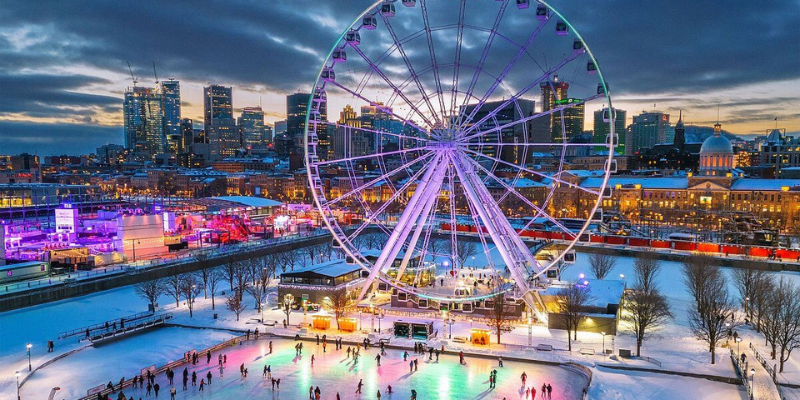
The Montreal attractions you really want to see
| Attraction | Why visit? |
|---|---|
| Vieux-Montréal | Stroll over the historic cobblestones, admire the 17th and 18th-century buildings, and enjoy the cozy squares. Here you’ll also find the impressive Basilique Notre-Dame de Montréal, whose blue-gold interior is definitely worth a visit. |
| Mont Royal | Climb the city’s most famous hill for a panoramic view over Montreal. Additionally, this is the locals’ favorite spot for walking, jogging, or picnicking. |
| Le Plateau-Mont-Royal | Discover the colorful outdoor staircases, charming cafés, boutiques, and impressive street art. This gives you a good sense of daily life in Montreal. |
| Mile End | This creative neighborhood is known for its coffee bars, vintage shops, music studios, and the famous Fairmount Bagel Bakery, where fresh bagels are baked day and night. |
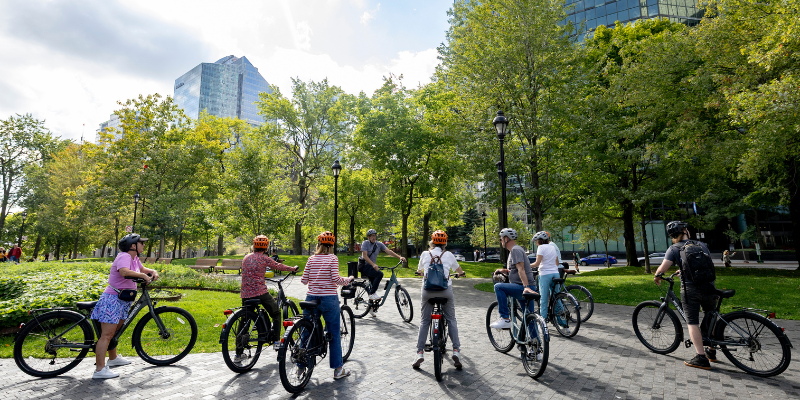
| Jean-Talon Market | One of the largest fresh markets in North America. Taste local products, fresh vegetables, cheese, maple syrup, and specialties from Québec. |
| Old Port (Vieux-Port) | Walk along the Saint Lawrence River, enjoy the terraces, or take a boat trip. In the summer, this area is bustling with festivals and street performers. |
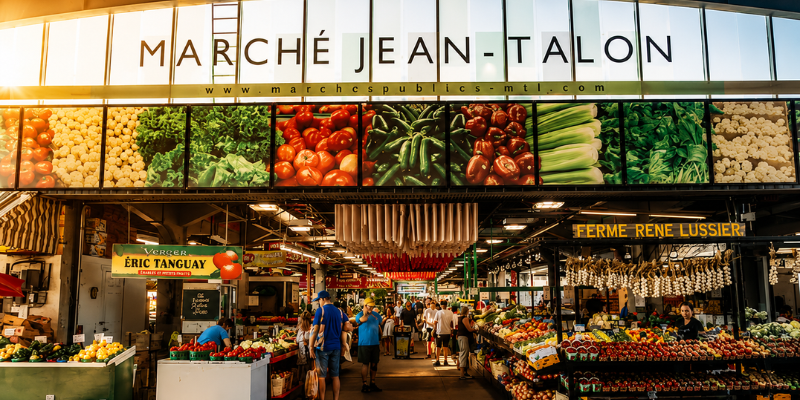
Cycling in Montreal with Baja Bikes
Montreal is a city seemingly made for exploring by bike. With over 800 kilometers of bike paths, you can cycle safely and leisurely past the most beautiful Montreal attractions. This way, you see much more in a short time than if you were to explore everything on foot. During the Baja Bikes tour, a local guide will take you on a three-hour journey past well-known highlights and hidden gems. Along the way, you’ll hear stories about the city’s history, architecture, and culture while cycling through various neighborhoods.
What you’ll see during the Montreal bike tour
🚲 Vieux-Montréal and the historic downtown
🚲 The charming Old Port (Vieux-Port)
🚲 The Lachine Canal
🚲 McGill University
🚲 Mont Royal Park
🚲 The creative district Plateau Mont-Royal
🚲 Cozy squares and green city parks
🚲 Hidden streets and local hotspots
The route is approximately 15 kilometers long and mostly follows bike paths and quiet streets. This makes the tour suitable for almost anyone who can comfortably ride a bike.
💡 Tip: Wear comfortable clothing and bring a bottle of water, especially on warm summer days.
Food, drinks, and local specialties in Montreal
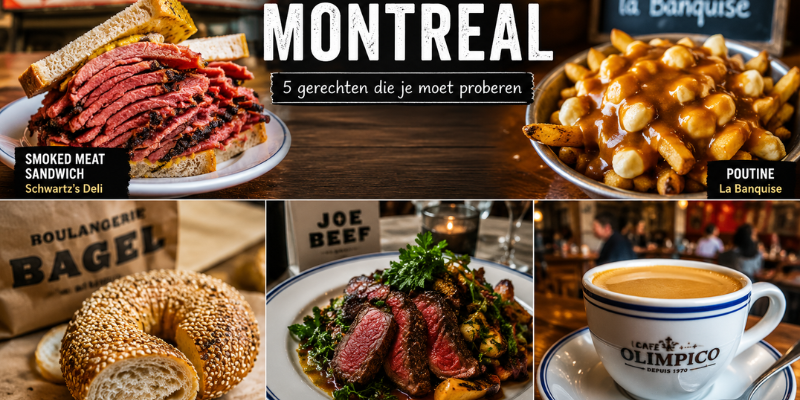
Montreal is renowned as one of Canada’s top culinary cities. You’ll find influences from French, Italian, Jewish, and international cuisines. You simply can’t leave the city without tasting some local specialties.
| Location | Why visit? |
|---|---|
| Schwartz’s Deli | Try the famous smoked meat sandwich, a true Montreal classic. Expect a line, but it’s well worth the wait. |
| Fairmount Bagel | Discover the original Montreal bagel: smaller, slightly sweeter, and baked in a wood-fired oven. |
| La Banquise | The place to try poutine. Choose from over 30 varieties of Canada’s most famous comfort food. |
| Joe Beef | A renowned restaurant focusing on French-Canadian cuisine. Book well in advance. |
| Café Olimpico | Popular Italian coffee bar in Mile End where both locals and visitors enjoy an espresso. |
Best time to visit Montreal
Montreal experiences true seasons, each with its own character. The table below helps you choose based on what you want to experience.
| Season | Period | Temperature | What to expect |
|---|---|---|---|
| Spring | April – May | 5°C – 18°C | City awakens, terraces open, fewer tourists |
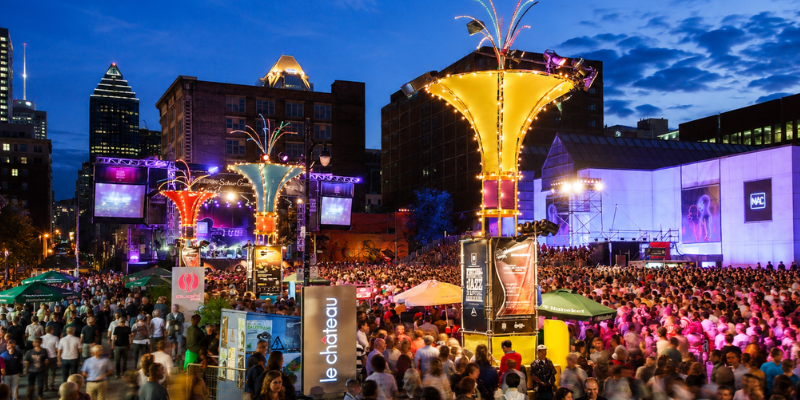
| Summer | June – August | 20°C – 30°C | Jazz Festival, Francofolies, busy and energetic |
| Autumn | September – October | 8°C – 20°C | Colorful leaves, calm, pleasant cycling weather |
| Winter | November – March | -20°C – 0°C | Igloo festivals, winter markets, underground city RÉSO |
For biking and walking, June, September, and October are the best months. The weather is pleasant, the city is lively, and you won’t have to worry about sweating or freezing.
Montreal: a city full of surprises
Montreal is a city best discovered step by step. Stroll through the various neighborhoods, taste local specialties like a fresh bagel or poutine, and take your time to soak up the city’s unique atmosphere. It’s this blend of European charm and North American energy that makes Montreal so special. Whether you’re staying for a long weekend or several days, there’s always something new to discover. Plus, the city changes with the seasons, making each visit feel different. Enjoy exploring Montreal!
Frequently asked questions about Montreal attractions
What are the main attractions in Montreal?
The most visited spots are Vieux-Montréal, the Basilique Notre-Dame, Mont Royal, the Saint Lawrence River, and the neighborhoods of Le Plateau and Mile End. Each has its own character and together they provide a good overview of what the city has to offer.
How many days do you need for Montreal?
With three to four days, you can see the core of the city well. If you also want to take day trips to the Laurentians or Québec City, plan for five or six days.
Is Montreal suitable for cycling?
Yes. Montreal has over 800 kilometers of bike paths and is one of the best-equipped cycling cities in North America. The BIXI bike-sharing network offers electric and regular bikes via the app, for CAD 3.50 per 30 minutes.
What does it cost to visit the Basilique Notre-Dame de Montréal?
A standard ticket costs about CAD 15 per adult. For the evening show Aura, a light and sound show in the basilica, you pay CAD 29 per person. Reservations are recommended.
When is the Montreal Jazz Festival?
The Festival International de Jazz de Montréal takes place every year from late June to early July. Many performances are free on the outdoor stages. It’s one of the largest jazz festivals in the world, with over 500 performances spread over two weeks.