

Vancouver attractions are nestled between the Pacific Ocean and the Coast Mountains, allowing you to bike from the beach to the mountains in just fifteen minutes. The city blends modern architecture with green parks, authentic neighborhoods, and a culinary scene that brings together the best ingredients from sea and land. By bike, you can best discover these contrasts: smell the sea air at English Bay, feel the shade of the giant trees in Stanley Park, and taste the dim sum in Chinatown—all in one day.
| Attraction | Why visit? | Handy tip |
|---|---|---|
| Stanley Park | Iconic park with stunning views | Start your day early to avoid the crowds |
| Granville Island | Vibrant market and art scene | Try the local seafood |
| Gastown | Historic district with unique shops | Visit the steam clock on the hour |
| Grouse Mountain | Breathtaking view over the city | Take the gondola for a quick ride to the top |
| Vancouver Aquarium | Educational and fun for the whole family | Buy your tickets online to avoid queues |
Top 10 places you must see in Vancouver
Each of these Vancouver attractions tells its own story. Stanley Park was once home to the Squamish, Musqueam, and Tsleil-Waututh First Nations. Gastown grew around a single saloon by the harbor. And Granville Island transformed from an industrial island full of factories into a creative hotspot with studios and food markets.
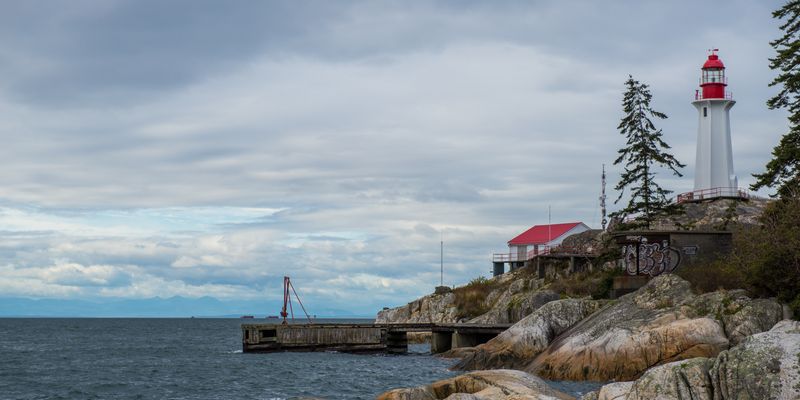
- Stanley Park: At 400 hectares, this is one of the largest urban parks in North America. The Seawall—a 9-kilometer route along the water—offers views of the skyline, the harbor, and the North Shore Mountains. Along the way, you’ll pass totem poles, beaches, and the Vancouver Aquarium.
- Granville Island: The Public Market opens at 9 AM, but come later if you want to avoid the crowds. Taste fresh oysters at The Oyster Man, buy artisanal bread at Terra Breads, and watch artists at work in their studios. On summer days, a street musician often performs at the entrance.
- Gastown: The steam clock at the corner of Water Street and Cambie Street puffs steam every quarter hour—a popular photo stop. But also explore the side streets with vintage shops, coffee bars, and restaurants. Blood Alley is narrower than the main streets and has an interesting history as a former meat market.
- Grouse Mountain: The Skyride gondola takes you to 1,100 meters in 8 minutes. At the top, you’ll find hiking trails, a grizzly bear sanctuary, and ski lifts in winter. On clear days, you can see Vancouver Island on the horizon.
- Vancouver Aquarium: More than 50,000 animals live here, from sea lions to jellyfish. The aquarium focuses on Pacific species and marine restoration. Plan at least 2 hours for a visit.
- Science World: The geodesic dome at False Creek is visible from miles away. Inside, you’ll find interactive exhibits on physics, biology, and technology. The OMNIMAX theater shows documentaries on a 27-meter-high screen.
- Capilano Suspension Bridge: This 140-meter-long suspension bridge hangs 70 meters above the Capilano River. You’ll feel the bridge move under your feet as you walk among the fir trees. Come early or late in the day—it’s busiest between 11 AM and 3 PM.
- Chinatown: This is Canada’s largest Chinatown and one of the oldest in North America. Visit the Dr. Sun Yat-Sen Classical Chinese Garden for tranquility among the ponds and bamboo. In summer, a night market takes place every Friday and Saturday evening with street food and live music.
- English Bay: This city beach is at the end of Denman Street. Locals come here after work to swim or play volleyball. The sunset often paints the sky pink and orange, with the silhouettes of cargo ships in the background.
- Queen Elizabeth Park: At 150 meters high, this is the highest point in the city. The former quarry has been transformed into a garden with over 1,500 plant species. The Bloedel Conservatory—a dome full of tropical plants and birds—is the centerpiece.
Why exploring Vancouver by bike is the best choice
Vancouver boasts over 400 kilometers of bike paths. The city has invested heavily in cycling infrastructure over the past 15 years, allowing you to ride safely from west to east without major detours. Plus, the climate is perfect for cycling: between April and October, there’s little rain and temperatures hover around 20 degrees.
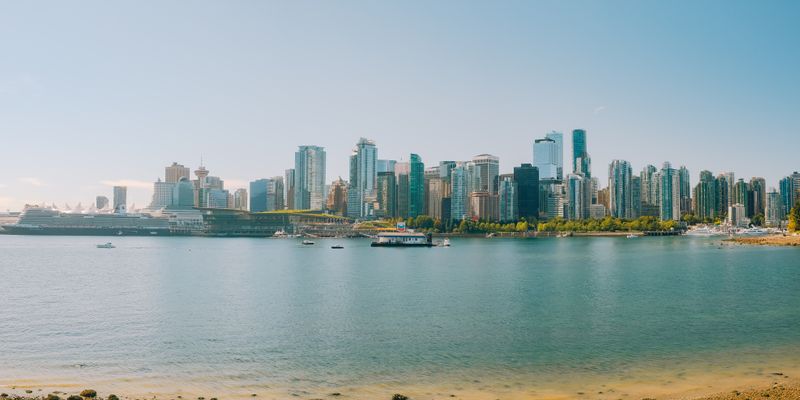
During the Baja Bikes tour through Vancouver, you’ll ride past the main attractions in about 3 hours. A local guide shares stories along the way that you won’t find in any travel guide: about the history of the First Nations, the rise of the film industry, and the best spots for coffee and lunch. The tour costs €123.90 and departs daily at 10 AM.
My tip: Take the bike tour on your first or second day in Vancouver. This way, you’ll get an overview of the city and can later return to the places that appeal to you the most.
The story behind Vancouver’s attractions
Before Vancouver became a city, the Squamish, Musqueam, and Tsleil-Waututh First Nations lived here for thousands of years. They called the area “the land of the golden dreams” because of the salmon that returned to the rivers each year. Today, you can see their heritage in the totem poles at Brockton Point in Stanley Park and in the Museum of Anthropology at the University of British Columbia.
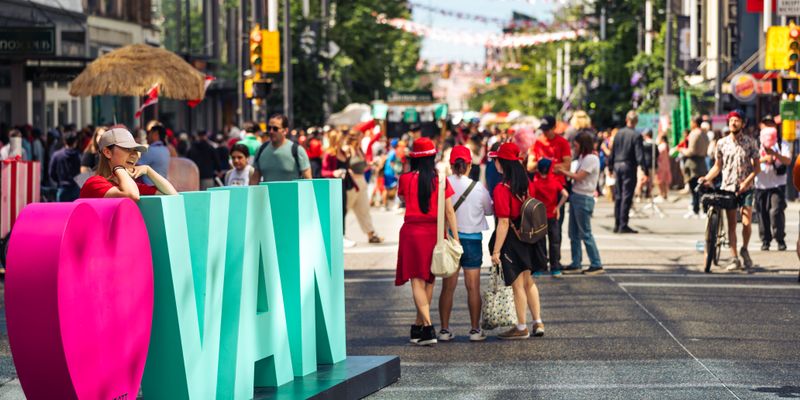
Gastown owes its name to John “Gassy Jack” Deighton, who landed in 1867 with a barrel of whiskey, an Indigenous wife, a dog, and two chairs. He opened a saloon for the loggers working in the forest. Within 24 hours, a wooden building stood, and a settlement grew around his café. Today, a statue at the corner of Water Street and Carrall Street commemorates this eccentric entrepreneur.
My tip: Stop by the Vancouver Police Museum in a former police station from 1932. Here, you can discover the darker side of the city’s history, including stories about notorious crimes and the opium trade in Chinatown.
The best time to visit Vancouver
Each season has its charm, but the weather often dictates your experience. From November to March, it rains regularly—sometimes for days on end. But the city becomes greener, and the mountains are covered with snow. Skiers and snowboarders head to Grouse Mountain, Cypress Mountain, or even Whistler (a 2-hour drive).
Spring brings cherry blossoms. By mid-April, thousands of trees are in bloom, especially in the VanDusen Botanical Garden and along the streets of Kitsilano. The Sakura Days Japan Fair at VanDusen celebrates this phenomenon with Japanese dance, music, and food.
Between June and September, it’s dry and sunny. Temperatures range from 20 to 25 degrees—ideal for cycling. This is also festival season: the Vancouver International Jazz Festival attracts tens of thousands of visitors in June, while the Celebration of Light in July lights up the sky with fireworks over English Bay. On Saturdays, Farmers Markets take place in various neighborhoods, where you can buy fresh produce from local farmers.
My tip: Book your accommodation well in advance if you’re visiting in July or August. The summer months are the busiest, and prices are 30 to 40 percent higher than in the low season.
Sustainable travel in Vancouver
Vancouver aims to be the greenest city in the world by 2040. The city promotes electric transportation, invests in green buildings, and protects natural areas within its borders. As a visitor, you’ll notice this through the extensive network of bike paths, numerous electric buses, and recycling bins on every corner.
Restaurants are also joining in. Many kitchens use ingredients from farms in the Fraser Valley, just an hour’s drive from the city. Seafood comes directly from fishermen on the coast. At restaurants like Farmer’s Apprentice and Published on Main, the menu lists where each ingredient originates.
By choosing to rent a bike in Vancouver, you contribute to this sustainable vision. Bike rentals start at €40.95 per day. E-bikes are also available for a small additional fee—handy for the hills in neighborhoods like Kitsilano and Mount Pleasant.
Frequently asked questions about Vancouver attractions
How long is the bike tour through Vancouver?
The bike tour with Baja Bikes lasts about 3 hours. You’ll ride in a small group (maximum 12 people) past Stanley Park, Gastown, Granville Island, and other highlights. The guide stops regularly for photos and explanations, so you won’t be pedaling non-stop.
How much does it cost to rent a bike in Vancouver?
Renting a bike from Baja Bikes costs from €40.95 per day. This includes a lock, helmet, and a city map with recommended routes. Want an e-bike? There’s an extra charge, but it makes cycling much easier on the hills.
When is Granville Island open?
Granville Island itself is accessible 24 hours a day, but the Public Market is open from 9:00 AM to 7:00 PM. Restaurants, galleries, and shops have their own opening hours. Sunday is the busiest day—visit on a weekday morning for a quieter experience.
Do you have to pay for the Capilano Suspension Bridge?
Yes, there is an admission fee of about CAD 60 for adults. Booking online is cheaper, and you won’t have to wait in line. The ticket also includes access to the Cliffwalk and the Treetops Adventure—walkways among the trees.
Is Vancouver a safe city to bike in?
Yes, most main routes have separated bike lanes or bike-friendly streets. Drivers are accustomed to cyclists and usually considerate. However, be cautious at intersections and avoid busy streets during rush hours (7:30-9:00 AM and 4:30-6:00 PM).
Plan your visit to Vancouver
Vancouver combines urban energy with access to nature in a way few other cities can match. Whether you spend a morning among the trees of Stanley Park, an afternoon at the markets of Granville Island, or end your day with a sunset at English Bay—the city continues to surprise.
On a bike, you see more, feel the surroundings better, and discover places you’d miss from a bus. Book your bike tour with Baja Bikes and let a local guide share the stories behind the attractions. This way, your visit to Vancouver becomes more than just checking off a list—it becomes an experience that sticks with you.