


Nicosia is a city unlike any other in Europe. It’s the only divided capital in the world. And while that might sound like an interesting geographical fact, a walk through the city quickly shows what this means in practice. On one side you drink Greek coffee among Byzantine churches and see Greek street signs everywhere. Moments later you cross the border and minarets appear, Turkish teahouses open up, and signs switch to a different alphabet.
It’s precisely this unusual mix that makes Nicosia so interesting. Behind the Venetian city walls you’ll find ancient churches, mosques, charming streets, local markets and modern coffee bars. At the same time, recent history is still visible everywhere. Look beyond the well-known sights and you’ll discover a city full of contrasts, stories and surprisingly good spots.
At a glance: what to do in Nicosia
- Walk through the old town, surrounded by the impressive Venetian city walls
- Cross the border via Ledra Street to North Nicosia
- Visit the Selimiye Mosque, originally built as a Gothic cathedral
- Explore thousands of years of Cypriot history at the Cyprus Museum
- See the modern Eleftheria Square, designed by architect Zaha Hadid
- Discover the colourful streets and traditional houses of Laiki Geitonia
- Try a full Cypriot meze at a restaurant where locals eat
Nicosia: a city in two worlds
You walk down a narrow street and suddenly you’re at a border crossing. Nicosia, also known as Lefkosia, is divided by the Green Line. This buffer zone has been monitored by the United Nations since 1974. While that history might sound heavy, Nicosia at the same time feels lively, welcoming and surprisingly diverse.
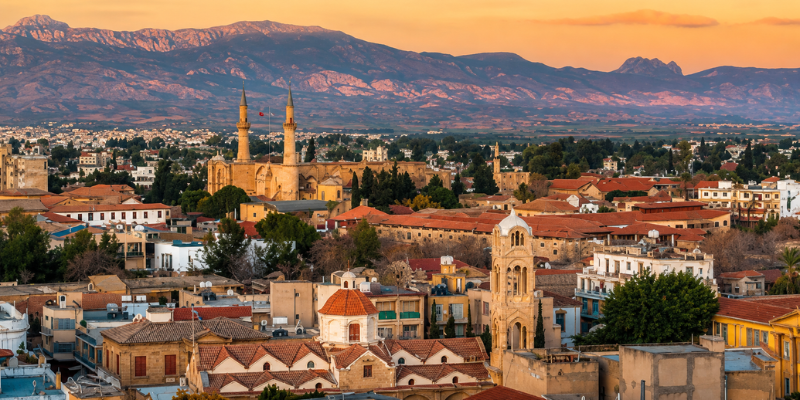
Cosy cafés, small galleries and local markets stand side by side with visible traces of the past. The historic centre is surrounded by impressive Venetian city walls from the 16th century, which from above form an almost perfect circle. It’s precisely this combination of different cultures and centuries of history that gives Nicosia so much character.
The climate also determines when it’s best to explore the city. In summer it can get quite hot, with temperatures around 38 °C not unusual. Spring and autumn are therefore the most comfortable seasons to explore Nicosia on foot or by bike. You won’t find a beach here, but the capital more than makes up for that with culture, history and an atmosphere you won’t find anywhere else in Cyprus.
The sights in Nicosia you shouldn’t miss
There’s a surprising amount to discover within the old town. Many sights are close together, so you can see a lot of Nicosia in a short time. Still, it’s worth not rushing, because it’s in the narrow streets and among the historic buildings that you discover the city’s special atmosphere. Only have one day? These are the sights in Nicosia you definitely don’t want to miss.
The Venetian city walls and the city centre
The Venetian city walls from 1567 are still one of Nicosia’s most recognisable landmarks. The walls have eleven bastions and form an almost perfect circle around the old town when seen from above. When you walk or cycle along the fortifications, you also get a good sense of the size of the historic centre.
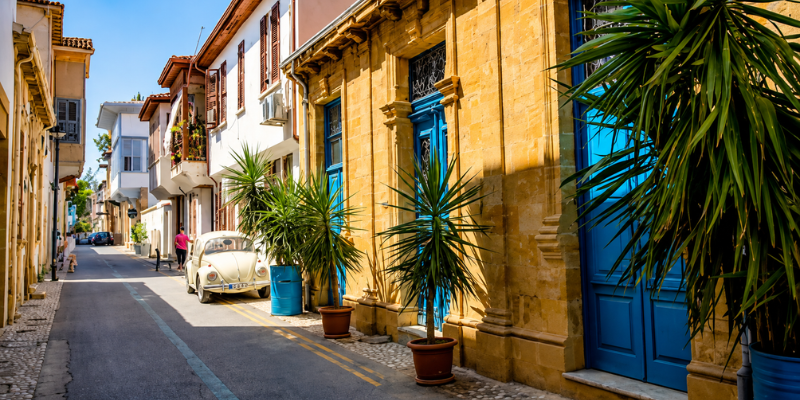
Inside the walls you discover the real Nicosia. Narrow streets, colourful facades and Ottoman architecture alternate, while the terraces are full of people drinking coffee and catching up. Despite its long history, the centre feels surprisingly lively.
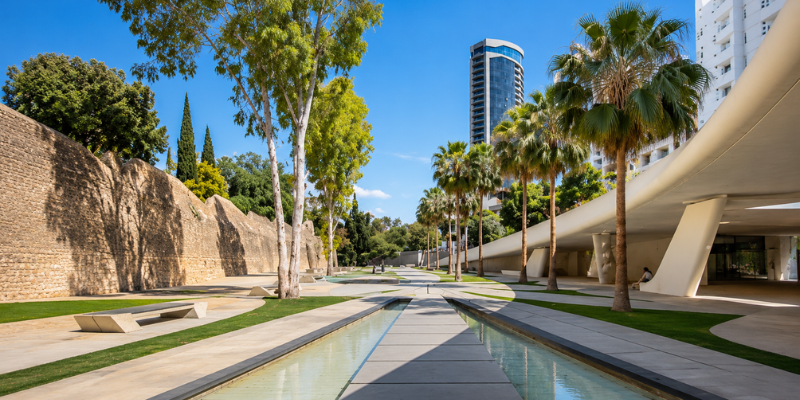
Close to the city walls lies Eleftheria Square, the modern heart of Nicosia. The striking redesign was created by Zaha Hadid Architects. It’s precisely the contrast between the centuries-old Venetian walls and the modern design that makes this place special. Here old and new Nicosia literally meet.
Ledra Street and the Green Line
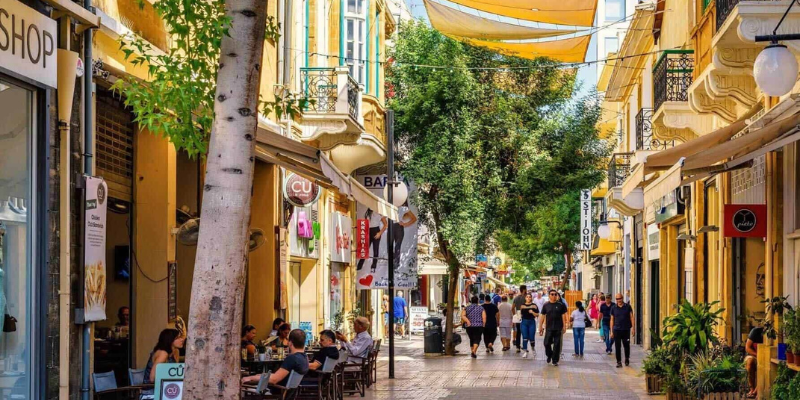
Ledra Street is one of Nicosia’s best-known shopping streets, but there’s something much bigger happening here. Right in the historic centre, you’ll find a border crossing into North Nicosia. After showing your ID, you suddenly step into a different part of the city. Greek lettering gives way to Turkish, while bazaars, Turkish coffee houses and different aromas and flavours transform the streetscape.
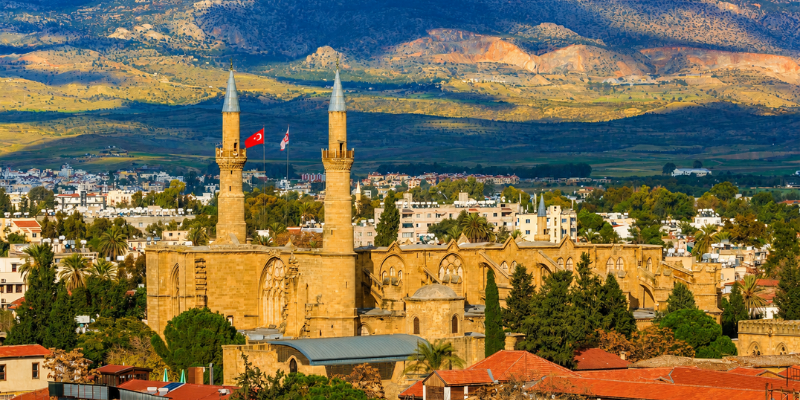
Once on the other side, the Selimiye Mosque is one of the main landmarks. The building was originally constructed in the 13th and 14th centuries as the Gothic St Sophia Cathedral. After the Ottomans conquered Nicosia in 1570, the cathedral was converted into a mosque and minarets were added. The Gothic arches, however, remained. It’s precisely this unusual combination that shows how many different cultures and rulers have left their mark on Nicosia.
The Cyprus Museum
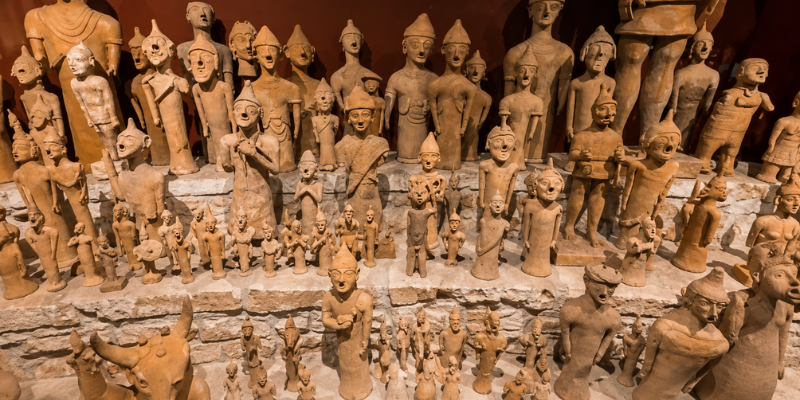
Want to better understand where Cyprus comes from? The Cyprus Museum is a good place to start. It’s the island’s main archaeological museum and takes you through thousands of years of Cypriot history. Among other things, you’ll see ancient terracotta figures, statues and archaeological finds from different periods.
The museum sits just outside the walled old city and is easy to reach on foot. It’s also a welcome break if you’ve been walking through Nicosia’s warm streets for a while.
Practical tip: visit the museum in the morning if possible. That way you can head back towards the historic centre afterwards and still have plenty of time to explore other sights.
Nicosia by bike: explore both sides of the city
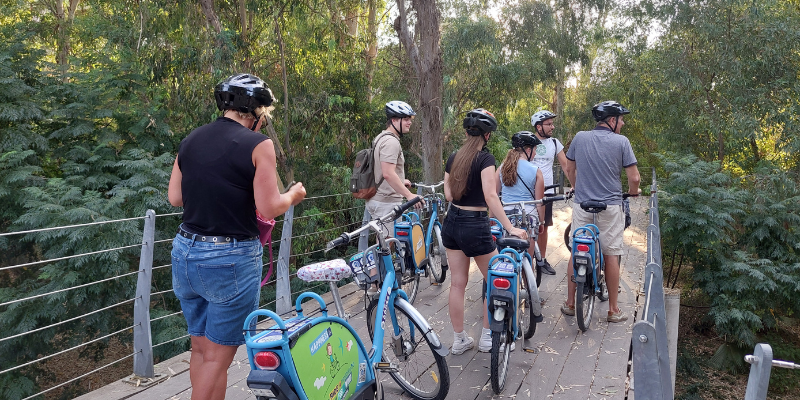
Nicosia is surprisingly good to explore by bike. During the Nicosia bike tour from Baja Bikes, you cycle about 10 kilometres and discover both the Greek Cypriot and Turkish Cypriot parts of the capital. This gives you a good sense of the city’s different sides in just a few hours.
Together with a local guide, you cycle through areas including Agioi Omologites, the Linear Park and the Nicosia Municipal Gardens. You’ll pass the Municipal Theatre and the Venetian city walls, and enter the old city via the Paphos Gate. You also cross over to the Turkish Cypriot side during the tour, where you’ll discover Zahra Street, Büyük Han and the Selimiye Mosque.
Having a guide means you get the stories behind the places you might otherwise cycle past. The average group consists of around eight participants, and an extra guide is added from twelve participants onwards. This leaves plenty of room to ask questions and take photos along the way.
The tour lasts about 3.5 to 4 hours and is accessible to all cyclists. A bike, helmet and a coffee, tea or other drink are included. Note that e-bikes are not available. You’ll also need valid ID or a passport to visit the Turkish Cypriot part of Nicosia.
Food, drink and local tips in Nicosia
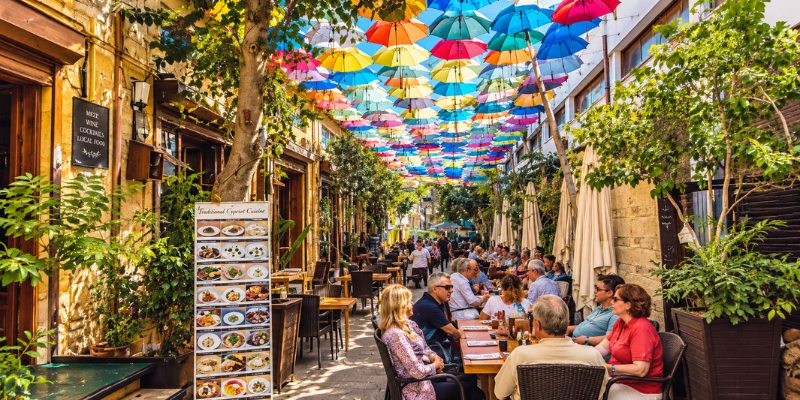
Nicosia is also a pleasant surprise when it comes to food. Because the city is less dependent on tourism than the well-known coastal towns, you’ll find plenty of restaurants and tavernas where locals gather. What’s more, Greek, Turkish and Middle Eastern influences literally come together on your plate.
A few local specialities you should definitely try:
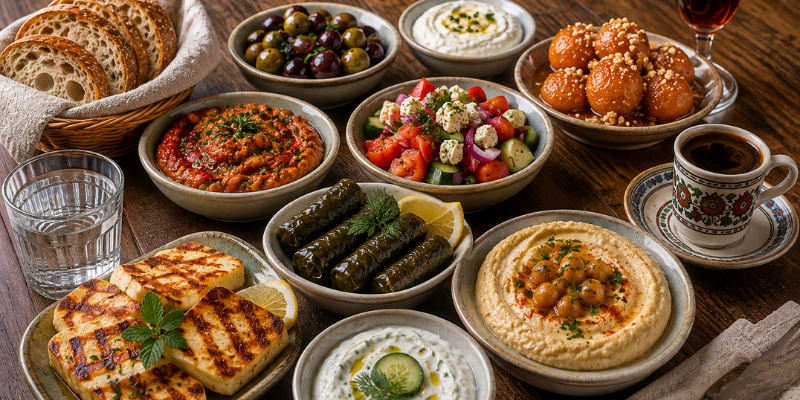
- Meze: perhaps the best way to get to know Cypriot cuisine. You’re served all sorts of small dishes, such as hummus, grilled halloumi, olives and stuffed vine leaves. Take your time with it — a proper meze is a substantial meal.
- Halloumi: this well-known Cypriot cheese is often grilled and served warm, giving it a firm texture and a delicious salty flavour.
- Loukoumades: small, fluffy dough balls that are deep-fried and then served with honey or syrup. Perfect as a sweet snack in between.
- Cypriot coffee: strong, black and served in a small cup. Don’t drink the last sip — there’s usually some coffee grounds left at the bottom.
- Commandaria: a sweet dessert wine with an ancient history on Cyprus. Especially nice to try after a substantial meal.
Want to get more of a feel for local life during lunch? Have a look at Bandabulya, the historic covered market in the old centre. You’ll also find traditional restaurants and small cafés on both the Greek Cypriot and Turkish Cypriot sides of the city. It’s often by leaving the main shopping streets behind that you stumble upon the nicest spots.
My tip: order an extensive meze with your travel companions and let the different dishes arrive at the table. That way you’ll taste a large part of Cypriot cuisine in one meal.
Best time to visit Nicosia
You can visit Nicosia year-round, though the season makes a noticeable difference. Because the city lies inland, summers are considerably hotter than on the Cypriot coast. Winters, on the other hand, are relatively mild, though there’s a greater chance of rain.
| Period | Temperature | Weather | Crowds |
|---|---|---|---|
| January – February | 8 – 15 °C | Cool, chance of rain | Quiet |
| March – April | 14 – 22 °C | Sunny and pleasant | Moderate |
| May – June | 24 – 33 °C | Warm and dry | Busier |
| July – August | 33 – 38 °C | Very hot and dry | Busy |
| September – October | 22 – 30 °C | Warm and mostly dry | Moderate |
| November – December | 12 – 18 °C | Milder and changeable | Quiet |
For a city break, spring and early autumn are particularly good periods. In March, April and May, temperatures are pleasant, while September and October still offer plenty of sunny, warm days. This makes it comfortable to walk through the old town or explore Nicosia by bike.
In July and August, however, it can get seriously hot. Temperatures above 35 °C are not uncommon. If you do visit Nicosia in summer, plan your activities for early morning or later in the day. Besides, a long lunch in the shade suddenly becomes an excellent excuse to enjoy Cypriot cuisine at leisure.
How many days do you need for Nicosia?
I’d set aside at least one full day for Nicosia. That gives you enough time to walk through the old town, see the Venetian walls and discover both sides of the capital via Ledra Street. Two days is even better, though, as you won’t have to rush from sight to sight.
Use your first day for the historic centre, Selimiye Mosque, Büyük Han and Laiki Geitonia, for example. Then on the second day you can visit the Cyprus Museum, have a longer lunch with a Cypriot meze and explore the quieter neighbourhoods beyond the main streets.
Have more time? Nicosia also makes a good base for exploring the interior of Cyprus. Think traditional villages and the Troödos Mountains, for instance. That way you can easily combine the distinctive capital with a completely different side of the island.
My tip: stay at least one night in Nicosia. Once the day-trippers leave and temperatures drop, the terraces fill up and the old town takes on a completely different atmosphere.
Frequently asked questions about things to see in Nicosia
What are the main things to see in Nicosia?
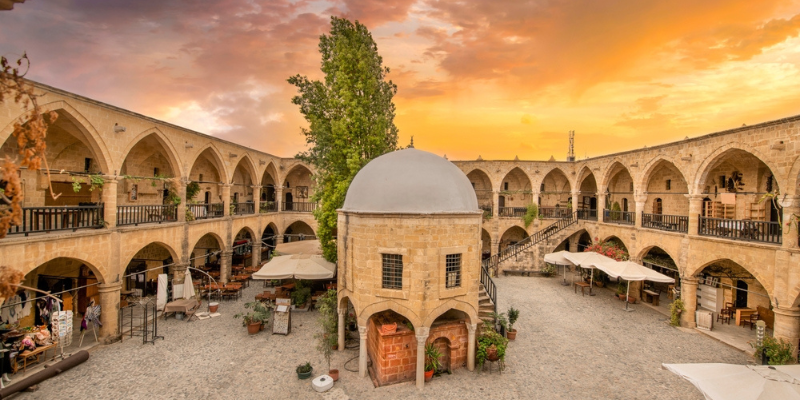
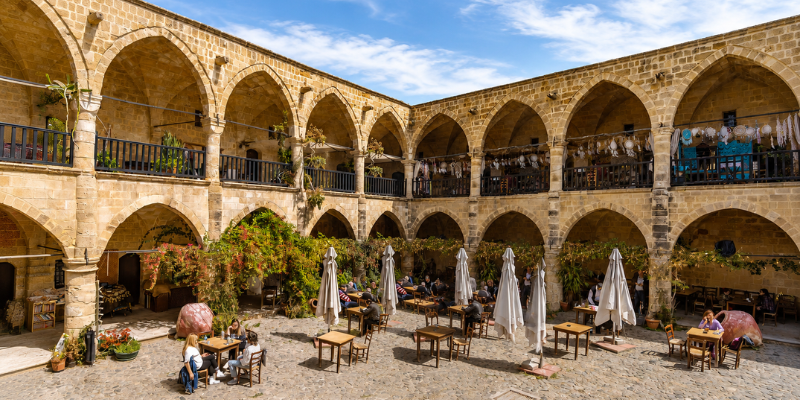
The best-known sights include the Venetian city walls, Ledra Street, Selimiye Mosque, the Cyprus Museum and Eleftheria Square. Büyük Han is also worth visiting. This historic caravanserai lies in North Nicosia and now has an atmospheric courtyard with cafés and small shops.
Can I walk from South Nicosia to North Nicosia?
Yes. Via the crossing at Ledra Street you can walk from the Greek Cypriot to the Turkish Cypriot part of Nicosia on foot. Always bring a valid passport or identity document for this. Bear in mind, too, that border regulations can change, so check the current requirements before you travel.
How many days do you need for Nicosia?
With one full day you can already see many of the main sights. Two days is more comfortable, though, if you want to explore both parts of the city at a relaxed pace, visit a museum and enjoy Cypriot cuisine properly.
Is Nicosia good to explore by bike?
Definitely. The historic neighbourhoods and different parts of the centre are particularly nice to explore by bike. Besides, on a bike you can easily cover greater distances than on a walking tour. On a guided bike tour you also get explanations about the distinctive history of the divided capital.
Is Nicosia worth visiting during a holiday in Cyprus?
Absolutely. Nicosia is very different from the well-known resorts of Cyprus. You don’t come here for beaches, but for history, culture, local restaurants and the distinctive atmosphere of a divided capital. What’s more, during one visit you can discover both the Greek Cypriot and the Turkish Cypriot part. It’s precisely that combination that makes Nicosia an interesting change during a holiday in Cyprus.